Can clear aligners fix bite problems, or are they only for straightening teeth? People overlook bite issues more often than not. Being able to chew, speak and live with your jaw comfortably is the goal. Patients who are looking for Invisalign in Sherwood Park may lie awake at night wondering whether clear aligners can realign the bite or fall back on aesthetics. The short answer is yes. If planned properly, it is possible to treat nearly any type of bite problem with Invisalign.
In this blog, we’ll explain how bite alignment works, which bite problems Invisalign can fix, and what to expect during treatment, all in simple, easy-to-follow language.
What Does Bite Alignment Mean?
Your bite is how your teeth fit together when you close your mouth. A misalignment of teeth can cause excessive wear and tear, strain on the jaw and daily discomfort.
There are bite problems:
- Teeth that protrude too much.
- Lower teeth are positioned in front of upper teeth.
- The upper teeth overlap with the lower teeth more than the norm.
- An individual’s back teeth don’t touch when they bite down.
As time passes, it could affect your oral health and confidence.
At Salisbury Dental We Will Do Our Best Accommodate You
How Does Invisalign Work to Fix Bite Issues?
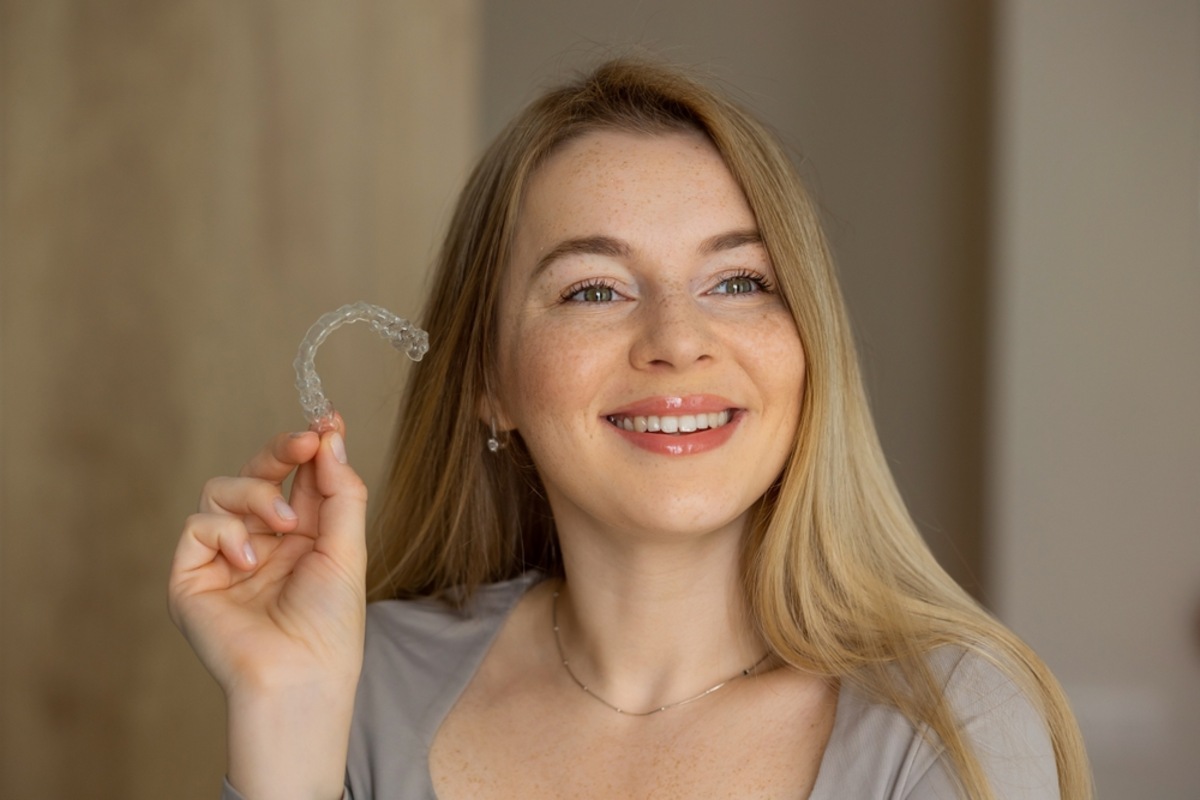
Invisalign clear aligners gradually push teeth into their ideal positions for a healthy smile. Each aligner differs slightly and is worn for about a week to 14 days before you switch to the next.
Invisalign focuses on aligning a bite.
- Moving Teeth into Better Alignment
- Enhancing the alignment of jaw closure.
- Lessening tension on some teeth.
A dentist near you plans each movement using digital scans, which improves the bite step by step, not all at once.
Which Bite Problems Can Invisalign Fix?
Invisalign can correct many mild to moderate bite problems. Treatment success depends on how complex the bite issue is and how well the aligners are worn.
Invisalign is commonly used for:
- Overbite – When the top teeth cover too much of the bottom teeth
- Underbite – When lower teeth sit in front of upper teeth
- Crossbite – When some upper teeth bite inside the lower teeth
- Open bite – When front teeth don’t touch when biting
More complex cases may need added planning, but many patients see major improvements with aligners alone.
Is Invisalign as Effective as Braces for Bite Correction?
In many cases, yes. Invisalign has advanced greatly and is no longer limited to simple cases.
Invisalign advantages for bite correction:
- Clear and discreet appearance
- Removable for eating and cleaning
- More comfortable than metal brackets
- Digital planning shows bite changes in advance.
However, very severe bite problems may still need traditional orthodontic options. A proper exam helps decide the best path forward.
How Long Does Bite Alignment Take with Invisalign?
Treatment time varies depending on the bite issue and how closely aligners are worn. Most bite correction plans range from 12 to 24 months.
Factors that affect treatment time include:
- Type of bite problem
- Consistent daily wear (20–22 hours per day)
- Use of attachments or elastics is recommended.
Sticking to the plan plays a big role in success.
Does Fixing Bite Alignment Improve Daily Comfort?
Yes. Correcting bite alignment can reduce many everyday issues.
Benefits often include:
- Easier chewing and biting
- Less jaw strain and clenching
- Reduced tooth wear
- Better speech clarity
- Improved smile balance
Many patients are surprised by how much better their mouth feels once their bite is corrected.
Is Invisalign Comfortable for Bite Correction?
Most people feel mild pressure when starting a new aligner. This pressure means the aligner is working. It usually fades within a day or two.
Because Invisalign has smooth edges and no wires, it tends to be easier on cheeks and gums compared to braces. This makes long-term bite correction more manageable for many patients.
Can Adults Fix Bite Problems with Invisalign?
Absolutely. Bite alignment is not just for kids or teens. Adults of all ages can improve their bite if their teeth and gums are healthy.
Many adults choose Invisalign because it fits into daily life without drawing attention. Clear aligners allow people to straighten teeth and improve their bite while working or socializing comfortably.
How Important Is Professional Planning?
Bite alignment requires careful planning. Invisalign works best when treatment is guided by experience and digital analysis.
A dentist in Sherwood Park can assess:
- Tooth position
- Jaw movement
- Bite pressure
- Long-term oral health risks
This ensures the aligners move teeth safely and correctly.
What Happens After Bite Alignment Is Fixed?
After treatment is finished, retainers help keep your teeth and bite in the right place. Wearing your retainer as advised stops teeth from moving back.
Aftercare usually includes:
- Wearing your retainer at night
- Visiting your dentist regularly
- Keeping up good brushing and cleaning habits
These simple steps help your results last for many years.
At Salisbury Dental We Will Do Our Best Accommodate You
Take the Next Step Toward a Healthier Bite!
Do clear aligners improve your bite and comfort? The team from Salisbury Dental can answer that question for you. The focus is on personalized Invisalign planning, comfort and long-lasting results. Contact the team now and take the first step towards a balanced posture and confident smile.
FAQs
Can Invisalign align your jaws?
Invisalign can reduce the strain on the jaw as it improves how the teeth meet. You may need other treatment for severe jawbone conditions.
Will elastics be required with Invisalign?
Some bite cases may require small elastics to guide the movement of the jaw. These are easy to use and very discreet.
Is Invisalign a painful option for bite correction?
Generally, discomfort is mild and temporary. Most patients adapt fast.
Can bite problems recur after treatment?
Teeth may shift without retainers. Retainers are for maintaining results.