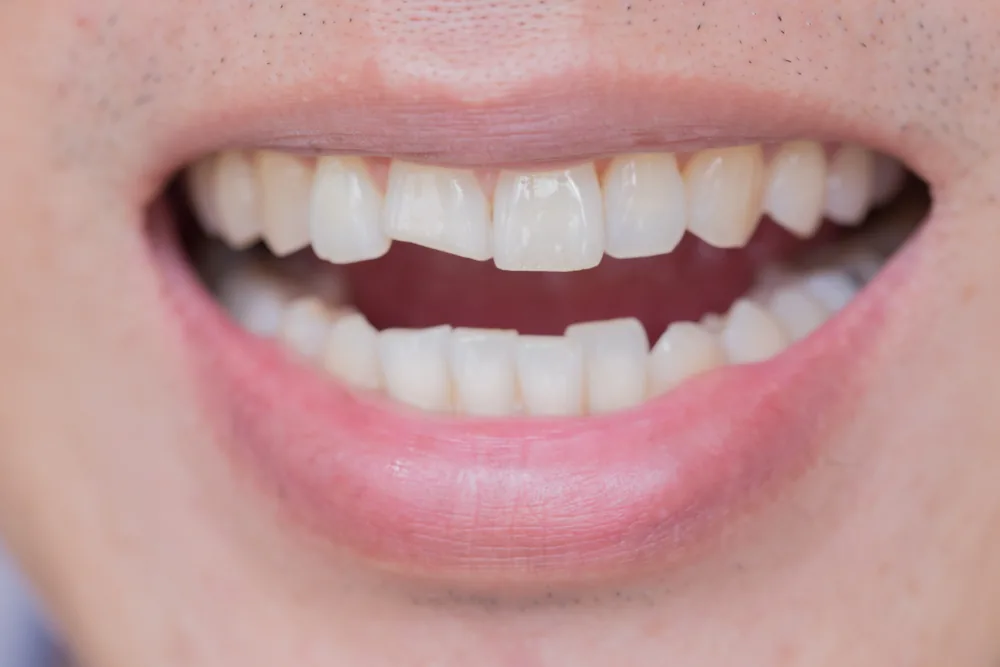
Yes, a knocked-out tooth can often be saved if you act fast. The first 30 minutes are the most important. If you get to a dentist in Sherwood Park or any emergency dental clinic quickly, there’s a real chance your tooth can be put back in place and survive. Speed and knowing what to do right now can mean the difference between keeping your tooth and losing it forever. This guide will walk you through exactly what to do if this happens to you or someone near you.
Why Time Is Everything When a Tooth Gets Knocked Out
When a tooth gets knocked out, the delicate root cells start to die within minutes. The longer your tooth is out of your mouth, the less likely it can be saved. Some people think a knocked-out tooth is gone forever, but that’s not true. A skilled dentist can often reattach it if you bring it in time. That’s why calling a dentist near you immediately is so important. Even if you’re not sure the tooth can be saved, you should still try to preserve it and get emergency care right away.
The First Steps to Take Right Now
If a tooth gets knocked out, stay calm and follow these steps:
Step 1: Find the Tooth: Look for your tooth on the ground or floor. Be careful not to step on it or lose it.
Step 2: Handle It the Right Way: This is very important. Pick up the tooth by the white part on top (called the crown). Never touch the root, which is the pointed part that was in your gum. Touching the root can damage cells that need to stay alive.
Step 3: Rinse the Tooth Gently: If the tooth is dirty, rinse it with cool, clean water. Use just a light stream of water and don’t scrub it. You want to wash away dirt without hurting the root.
Step 4: Try to Put It Back: If you can, gently push the tooth back into the socket in your mouth. It should slide in the same way it came out. Bite down softly on a clean cloth to hold it in place.
What to Do If You Can’t Put the Tooth Back
If the tooth won’t go back in or you’re too scared to try, here’s what works:
| Storage Option | Best Choice? | Why It Works |
|---|---|---|
| Milk | Yes, best option | Helps keep root cells alive |
| Saline Solution | Yes—good option | Similar to body fluids |
| Saliva | Yes, an acceptable option | Provides natural moisture |
| Water | No, avoid | Can damage root cells |
| Dry Cloth | No, avoid | Dries out the tooth |
Keep the tooth in milk if you have it available. Milk keeps the root cells alive better than anything else. If you don’t have milk, you can keep it in your own saliva by holding it in your mouth against your cheek. Never put it in water or let it dry out. Do not wrap it in a dry tissue or cloth.
Calling for Help
Call your dentist right away and tell them it’s an emergency. If your regular dentist isn’t available, go to an emergency dental clinic. Tell them exactly what happened and when it happened. This information helps them know how to treat your tooth. Drive carefully to the appointment, or ask someone else to drive you if you’re upset. Bring the tooth with you in a container of milk or saline.
What Happens at the Dental Clinic
When you get to the dentist’s clinic, he/she will investigate your tooth and the socket. They will clean both thoroughly and look for other injuries. If the tooth appears healthy, they will gently put it back into place. They’ll fix the tooth in place with a wire or splint to enable healing. The above situation can continue for a few weeks or so.
Healing and Recovery After Reattachment
After your tooth is reattached, you’ll need to be very careful with it. Eat soft foods and avoid chewing on that side of your mouth. Don’t poke at the tooth or wiggle it. Your dentist will give you specific care instructions. The tooth will gradually heal and bond back to your jaw. Some teeth stay strong for many years. Others might need a root canal later if the nerve inside dies.
Taking Action Gives You the Best Chance
When a tooth gets knocked out, it can be scary but not hopeless. Your quick response in the first seconds can keep your smile. It is important to stay calm, keep the tooth safe, and be seen as soon as possible.
Contact Salisbury Dental urgently in case of an emergency. We know this is an urgent issue for you, and we’re ready to assist you in this stressful time. The purpose of our clinic is to provide prompt, compassionate treatment with optimum outcomes.