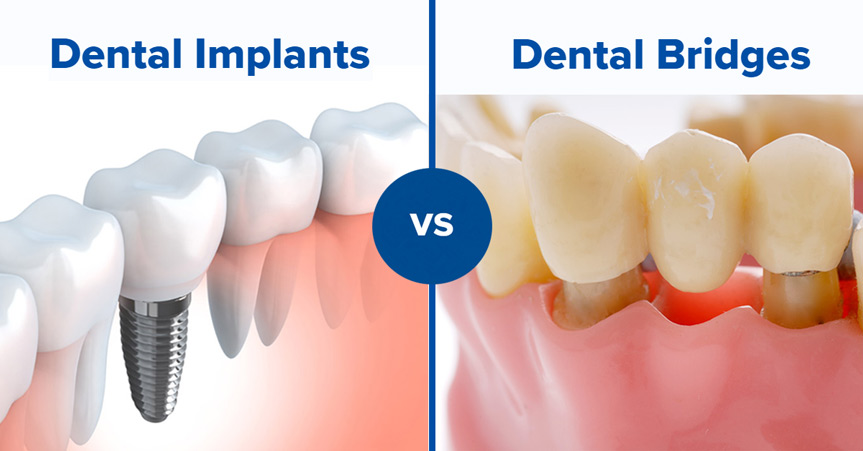
A dental bridge can fill the space left by one or more missing teeth and help restore everyday activities such as chewing and speaking. A dentist in Sherwood Park can assess the condition of an existing bridge and help determine how well it is holding up. While dental bridges can last for many years, their lifespan is not the same for everyone. Daily oral care, the health of the supporting teeth, biting habits, and regular dental visits can all affect how long a bridge remains useful.
Knowing the signs of wear or damage can help you arrange an assessment before a small concern becomes harder to manage.
How Long Does a Dental Bridge Usually Last?
A dental bridge usually lasts 5 to 15 years, but it may last longer with good care. How long it lasts depends on how well you care for the bridge, nearby teeth, and gums.
Factors that can affect its longevity include:
- Daily brushing and cleaning
- The condition of the supporting teeth
- Gum health
- Biting and chewing habits
- Teeth grinding or clenching
- Regular dental checkups
A bridge does not have a fixed expiry date, so its condition matters more than its age alone.
What Can Cause a Dental Bridge to Wear Out?
A dental bridge is used every day for chewing and eating. Food, gum changes, and normal wear can affect it over time.
Common problems include:
- Cracks or damage to the bridge
- Tooth decay around the supporting tooth
- Gum problems near the bridge
- A loose or moving bridge
- Normal wear over time
- Changes in nearby teeth
Regular dental checkups can help find these problems early.
What Are the Signs That a Dental Bridge Needs Attention?
You may notice changes when a bridge begins to develop a problem. A dentist near you can examine the area if you notice anything unusual.
Look for signs such as:
- A bridge that feels loose
- Pain when biting or chewing
- New sensitivity around a supporting tooth
- Food repeatedly getting trapped around the bridge
- Cracks, chips, or visible damage
- Changes in how the bridge fits
- Swollen or bleeding gums nearby
Do not try to adjust or remove a loose bridge yourself. A dental assessment can help identify the cause.
Does a Dental Bridge Always Need to Be Replaced?
No. A bridge does not automatically need replacement simply because it has been in place for several years. If it remains secure, comfortable, and in good condition, it may continue to function.
Replacement may be considered when:
- The bridge is damaged.
- A supporting tooth has developed a problem.
- The bridge no longer fits properly.
- The surrounding gums have changed.
- The restoration has become significantly worn.
The decision should be based on its current condition rather than its age alone.
What Happens When a Dental Bridge Is Replaced?
Replacing a bridge starts with checking the condition of the existing restoration and the teeth underneath or beside it. Any concerns with the supporting teeth or gums may need attention before a new bridge is placed.
The process may involve:
- Assessment: The bridge and surrounding areas are examined.
- Planning: The suitable replacement option is discussed.
- Preparation: Any required dental treatment is completed.
- New restoration: A replacement bridge is made and fitted.
- Follow-up: The fit and comfort are checked.
The exact process depends on your dental needs.
How Can You Make a Dental Bridge Last Longer?
Good home care plays an important role in protecting both the bridge and the teeth supporting it. Cleaning around the bridge is especially important because food and plaque can collect in hard-to-reach areas.
Helpful habits include:
- Brush twice a day with fluoride toothpaste.
- Clean carefully around and beneath the bridge.
- Follow any cleaning instructions provided during your dental visits.
- Avoid using the bridge to bite very hard objects.
- Attend regular dental checkups.
- Address discomfort or changes early.
These simple steps can help you maintain your restoration and the surrounding teeth.
Can a Dentist Repair a Dental Bridge Instead of Replacing It?
Sometimes. The right approach depends on what has caused the problem and how much damage has occurred. A dentist in Sherwood Park may check the bridge, supporting teeth, gums, and bite before recommending repair or replacement. In some cases, a minor issue may be managed without replacing the entire bridge. If the restoration or supporting tooth is significantly damaged, a new treatment may be needed.
Give Your Dental Bridge the Care It Deserves!
Your dental bridge is designed to restore your smile and support everyday function, but regular attention can help you spot changes early. If you notice movement, sensitivity, damage, or changes around the teeth supporting your bridge, a dental assessment can help determine what needs to be done.
Book an appointment with Salisbury Dental to check the condition of your bridge and learn which care or replacement option may best suit your smile.